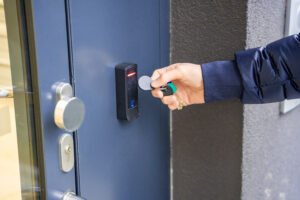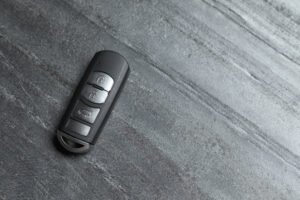
Modern residential buildings often use electronic access credentials to control entry to shared spaces. Condo buildings, apartment complexes, offices, and other managed properties may provide residents or authorized users with key fobs that work with electronic access readers.
When several authorized people need access to the same building, questions about additional credentials naturally arise. Fob cloning is one term commonly used when discussing the duplication of compatible electronic access credentials. Understanding how it works, when it may be appropriate, and what building policies apply can help residents and property managers make informed decisions.
What Is Fob Cloning?
Fob cloning generally refers to creating a duplicate of an electronic access credential so that another compatible fob can communicate with an access-control system in a similar way.
Electronic fobs can use different technologies, frequencies, security features, and credential structures. The exact duplication process therefore depends on the type of fob and the access-control system used by the building.
In some environments, an authorized duplicate can be created using specialized equipment. In other buildings, an additional credential needs to be enrolled directly through the property’s access-control system.
The terminology used by residents and service providers may also vary, with terms such as fob copying, fob duplication, credential replacement, or fob cloning being used for related services.
Why Would a Building Have Multiple Authorized Users?
A single residential unit may have several people who require regular access. A family, for example, may have parents, adult children, or other authorized household members.
Rental properties may also have multiple occupants who need access to common entrances, elevators, parking areas, or shared amenities.
Other authorized users can include:
- Property owners
- Tenants
- Building employees
- Caregivers
- Property managers
- Maintenance personnel
- Authorized service providers
Each person may require an individual access credential depending on the building’s policies.
Could Fob Cloning Be Useful for Residents?
When permitted by the access system and building management, a duplicate fob can provide an additional access option for an authorized household member.
For example, a condo owner may have one working fob and need another credential for an authorized family member. A duplicate can provide that person with their own physical access device.
This can also be useful for households where residents have different schedules and need independent access to the building.
The key consideration is authorization. Residents should follow the building’s rules and obtain permission where required before arranging any form of credential duplication.
What Determines Whether a Fob Can Be Duplicated?
Several technical factors determine whether fob cloning or another duplication method is appropriate.
The access credential may use a particular RFID, NFC, proximity, or proprietary technology. Some systems store relatively simple credential information, while newer access-control systems may use encryption, authentication, or other security features.
The access reader and building’s management software also influence how credentials are issued and recognized.
A professional service provider can examine a compatible fob and determine what type of credential it is and which authorized duplication options may be available.
How Does Authorized Fob Duplication Work?
The exact process varies according to the access technology.
In a basic compatible system, information associated with an existing credential may be transferred to another compatible fob. The new credential can then be tested with the relevant access reader.
For systems that use centralized credential management, an additional fob may instead need to be registered through the building’s access-control software.
This distinction is important because creating a physical duplicate and registering a new credential are two different technical approaches.
What Should Property Managers Consider?
Property managers have an important role in controlling building access. Before approving additional credentials, they may need to verify the resident’s identity, occupancy status, ownership, or authorization.
A building may also have limits on the number of fobs assigned to each unit.
Property managers can maintain records of issued credentials and deactivate credentials when residents move out or authorization changes. This helps keep the access database current.
For buildings with many residents, having a clear procedure for additional fobs can make access management easier.
Is a Spare Fob Useful?
A spare credential can be useful for households that regularly have multiple authorized users.
It can also provide an additional option when a primary fob is misplaced or damaged. Residents can keep the spare in a secure location and use it according to the building’s rules.
However, access credentials should be treated as security devices. A spare fob should only be provided to an authorized person and stored responsibly.
What Happens When a Fob Is Lost?
A lost access credential should generally be reported to the building manager, strata representative, landlord, or other authorized administrator.
Many electronic access systems allow administrators to deactivate individual credentials. A replacement can then be issued or registered according to the property’s procedures.
Prompt reporting helps ensure that access records remain accurate.
What About Fob Cloning for Rental Properties?
Rental properties may have several authorized occupants who need independent access.
A landlord or property manager can establish a clear process for requesting additional fobs. The process may include verifying the tenant, confirming the number of authorized occupants, collecting a fee, and recording the credential details.
Where the access system supports authorized duplication, fob cloning may be one option. Where the system requires centralized enrollment, a new credential may be issued through building management.
Can Fob Copying and Key Cutting Be Used Together?
Many residential buildings use electronic fobs alongside traditional keys. A resident may use a fob for the main entrance, elevator, or parking garage and a traditional key for the private unit.
In these situations, residents may need both an additional fob and a duplicate mechanical key.
Understanding which access method controls each part of the property helps residents identify the appropriate service when additional access is needed.
What Should You Check Before Getting a Fob Cloned?
Before arranging any duplication service, residents should consider several questions:
- Is the fob assigned to an authorized user?
- Does the building permit additional fobs?
- Does the access system support the required duplication method?
- Does the property manager need to approve the request?
- Does a new credential need to be registered?
- How many fobs are permitted for the unit?
- What should happen if an existing fob is lost?
- Is there a specific approved service provider?
Answering these questions can help prevent unnecessary delays and ensure the new credential follows the property’s access procedures.
About Max Mobile and Gifts
Max Mobile and Gifts is a Vancouver, Canada business providing professional cell phone and iPhone repair services along with a wide selection of accessories and gifts for different occasions. The business also provides fob copy and key cutting services for customers who need assistance with compatible access credentials and traditional keys.
Additional services include passport and PR photo services, mobile accessories, photo copy and printing services, watch battery replacement, luggage, hip hop jewellery, and perfume and cologne.
Conclusion
Fob cloning can be a practical option in situations where multiple authorized users require compatible electronic access credentials, provided the technology and building policies support the appropriate duplication method.
The exact process depends on the type of fob, access-control system, security technology, and building management procedures. Some systems support authorized credential duplication, while others use centralized enrollment for additional fobs.
Residents and property managers should always follow the access policies established by the building and ensure that additional credentials are provided only to authorized users. Understanding the available options can make managing access for families, tenants, and other authorized users more organized.