Modern residential buildings rely on electronic access systems to manage entry and maintain organized security. Instead of traditional metal keys, many condominiums use digital access devices such as key fobs and access cards. These devices allow residents to unlock doors, enter parking garages, and access shared building amenities quickly.
People researching building access systems often encounter both key fobs and access cards. At the same time, many residents search for information about obtaining a condo key fob copy when they need additional access devices. Understanding the difference between these two technologies helps residents learn how modern entry systems work.
Both key fobs and access cards rely on similar digital technology, yet they differ in form, usage, and convenience. Learning how each device functions helps explain how residential access systems operate.
Understanding Digital Access Systems in Condominiums
Many condominiums use electronic access control systems to regulate entry to buildings and shared spaces. These systems rely on digital credentials stored inside small electronic devices carried by residents.
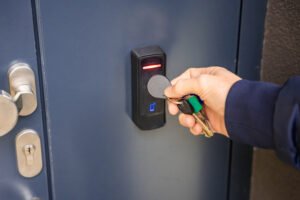
When a resident presents a key fob or access card near a reader, the device communicates with the reader through radio signals. The reader retrieves a unique identification number stored within the device and sends it to the building’s access control system.
The system compares the identification number with a database of authorized users. When the credentials match an approved record, the system unlocks the door or grants access.
Because these devices store digital identification information, residents often seek a condo key fob copy when additional access devices are needed for family members, roommates, or daily convenience.
What Is a Condo Key Fob?
A condo key fob is a small electronic device designed to provide secure building access. The device is typically compact and shaped like a small tag that attaches easily to a keychain.
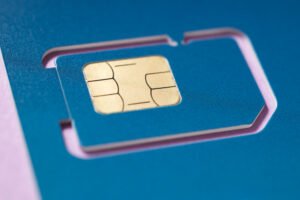
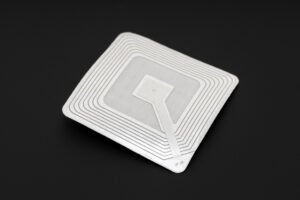
Inside the key fob is an electronic chip that stores a unique identification number. This chip usually operates using RFID technology, which stands for Radio Frequency Identification.
When a resident holds the key fob near a reader, the chip communicates with the reader using radio signals. The reader retrieves the stored identification number and sends it to the building’s access system for verification.
If the identification number matches a registered record in the system, access is granted.
Key fobs are widely used in condominiums because they are easy to carry and convenient for daily building entry.
What Is an Access Card?
An access card serves the same purpose as a key fob but comes in a different physical format. Access cards are flat plastic cards similar in size to a credit card.
Like key fobs, access cards contain an electronic chip that stores digital identification credentials. Most of these cards also use RFID or similar wireless technology to communicate with access readers.
When the card is held near a reader, the chip inside the card transmits its identification number to the building’s access system. The system then verifies the credentials and grants entry if the device is authorized.
Access cards are often used in hotels, office buildings, and residential complexes where residents carry access cards in wallets or badge holders.
Key Differences Between Key Fobs and Access Cards
Although both devices operate using similar technology, several differences distinguish key fobs from access cards.
Physical Design
A key fob is a compact device designed to attach to a keychain. Its small size makes it easy to carry with house keys or vehicle keys.
An access card is larger and flat, resembling a credit card. Many residents store access cards in wallets or card holders.
Convenience and Accessibility
Key fobs are designed for quick access because they remain attached to keys that residents carry daily. A quick tap of the fob against a reader typically grants entry.
Access cards are convenient for people who prefer carrying building credentials inside a wallet or badge holder.
Durability
Key fobs are built with solid casings that protect the electronic chip inside the device. This design supports daily handling and movement.
Access cards have flexible plastic construction that allows them to remain lightweight and easy to store.
Everyday Use
Condominium buildings frequently choose key fobs because residents often prefer a device attached to their keychain. This format allows quick building entry without removing a card from a wallet.
Because of these practical advantages, many residents search for information about obtaining a condo key fob copy when additional access devices are needed.
How a Condo Key Fob Copy Works
A condo key fob copy is created by duplicating the digital identification number stored inside the original device. The duplication process transfers this identification number to another compatible key fob.
Specialized devices designed to read RFID chips retrieve the identification number stored in the original fob. The cloning equipment temporarily stores this information before transferring it to a blank key fob.
Once the identification number is written onto the new device, the duplicated key fob carries the same credentials as the original.
The copied fob then communicates with building access readers using the same digital identity.
As a result, the new device functions as a condo key fob copy within the building’s access system.
Why Residents Request Additional Key Fobs
Residents frequently require multiple access devices for everyday living situations. A single condominium unit may include several occupants who each require independent building access.
Common reasons residents search for a condo key fob copy include:
Household Members
Families living in condominium units often require multiple key fobs so each member can enter the building independently.
Shared Living Arrangements
Roommates and tenants may require their own access devices for convenient entry into the building.
Backup Devices
Some residents keep an additional key fob available in case the primary device becomes misplaced.
Convenience in Daily Life
Extra devices allow residents to store key fobs in vehicles, bags, or other frequently used items.
These everyday needs explain why many residents look for information about obtaining a condo key fob copy.
Business Information
Max Mobile and Gifts is the best place for professional phone and iPhone repair services in Vancouver, Canada. The business also offers a wide selection of accessories and gifts for all occasions.
Services available include cell phone repair, fob copy services, key cutting, passport and PR photo services, mobile accessories, photo copy and printing services, watch battery replacement, luggage products, hip hop jewellery, and perfume and cologne.
Conclusion
Condominium access systems rely on digital devices such as key fobs and access cards to provide secure building entry. Both devices store electronic identification credentials that communicate with building access readers.
Key fobs are small devices designed for keychains, while access cards are flat cards often carried in wallets or badge holders. Despite their physical differences, both technologies operate using similar RFID communication methods.When residents require additional access devices for household members or daily convenience, many search for information about obtaining a condo key fob copy. Understanding how these devices work helps residents navigate modern building access systems with confidence.