Technology has made daily activities faster and more convenient than ever before. From tapping a credit card at a checkout counter to unlocking office doors with an access card, many of these conveniences rely on RFID scanning. While RFID technology has become an important part of modern life, many people wonder whether it is truly secure and whether their personal information is at risk.
Concerns about digital privacy, identity theft, and unauthorized access have made security a top priority for both consumers and organizations. As RFID-enabled products become more common, understanding how RFID scanning works and the security measures behind it can help users feel more confident when using contactless technologies.
In this guide, we’ll explore how secure RFID scanning is for everyday use, potential risks, common misconceptions, and practical ways to protect yourself while enjoying the benefits of RFID technology.
What Is RFID Scanning?
Before discussing security, it is important to understand what RFID scanning actually is.
RFID stands for Radio Frequency Identification, a technology that uses radio waves to communicate information between a tag and a reader. RFID scanning allows data to be transmitted wirelessly without direct physical contact.
RFID technology is commonly used in:
- Contactless credit and debit cards
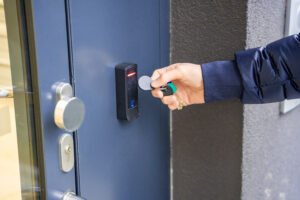
- Access control systems
- Employee identification badges
- Public transportation cards
- Electronic passports
- Retail inventory tracking
- Asset management systems
The convenience of RFID scanning comes from its ability to identify and exchange information quickly without requiring users to insert cards, scan barcodes, or manually enter data.
Why Do People Worry About RFID Security?
Any technology that transmits information wirelessly naturally raises questions about security.
Common concerns include:
- Unauthorized scanning of RFID cards
- Identity theft
- Data interception
- Financial fraud
- Personal information exposure
- Tracking without consent
While these concerns are understandable, many assumptions about RFID scanning are based on outdated information or misconceptions about how modern RFID systems operate. Check reliable and updated sources to better understand how current RFID technologies function and protect user information.
How Secure Is RFID Scanning Today?
For most everyday applications, RFID scanning is considered highly secure.
Modern RFID systems are designed with multiple layers of protection to safeguard user information and reduce security risks.
Security measures often include:
- Data encryption
- Authentication protocols
- Limited transmission ranges
- Unique identification codes
- Secure communication channels
- Fraud detection systems
These protections make unauthorized access significantly more difficult than many people assume.
How RFID Scanning Protects Your Information
Encryption Technology
Many RFID-enabled payment cards and identification systems use encryption to protect transmitted information.
Encryption converts sensitive data into coded information that cannot easily be understood without proper authorization.
Even if data transmission were intercepted, encrypted information would be extremely difficult to use without the necessary security keys.
Authentication Systems
Modern RFID systems often require authentication before granting access or processing transactions.
This means the RFID reader and RFID tag verify each other’s legitimacy before exchanging information.
Authentication helps prevent unauthorized devices from accessing protected systems.
Limited Read Range
One of the most effective security features of RFID scanning is its limited operating distance.
Many consumer RFID applications, particularly contactless payment cards, function only when placed very close to the reader.
This short range significantly reduces the possibility of unauthorized remote scanning.
Dynamic Security Codes
Many payment systems generate unique transaction information for each purchase.
Even if transaction data were somehow captured, it generally could not be reused for future purchases.
This technology helps protect consumers from fraud and unauthorized transactions.
Common RFID Security Risks
Although RFID scanning is generally secure, no technology is completely risk-free.
Understanding potential vulnerabilities helps users make informed decisions.
Unauthorized Scanning Attempts
In theory, someone could attempt to scan an RFID-enabled card without permission.
However, practical limitations such as short read distances and encryption make this difficult in real-world situations.
Data Skimming
Data skimming refers to unauthorized attempts to capture information transmitted by RFID devices.
Modern payment cards typically transmit limited information and often use additional security layers to minimize risk.
Cloning Attacks
Certain older RFID systems may be vulnerable to cloning attempts, where an attacker copies data from a legitimate RFID tag.
Modern systems often incorporate advanced authentication mechanisms that make cloning significantly more difficult.
Lost or Stolen RFID Devices
Access cards, identification badges, and payment cards can create security concerns if lost or stolen.
This risk is similar to losing a traditional card and is generally addressed through deactivation and replacement procedures.
RFID Scanning and Contactless Payments
One of the most common uses of RFID scanning is contactless payment technology.
Millions of people use contactless payment cards and mobile payment systems every day.
Security features commonly include:
- Encrypted transactions
- Tokenization technology
- Transaction monitoring
- Fraud detection systems
- Spending limits in certain situations
Financial institutions invest heavily in security infrastructure to protect consumers from unauthorized activity.
As a result, contactless payments are generally considered safe and secure for everyday use.
RFID Scanning and Electronic Passports
Many countries issue electronic passports that contain RFID chips.
These chips store information used for identity verification and border security.
Security measures often include:
- Digital signatures
- Encryption
- Controlled access mechanisms
- Shielding within passport covers
These safeguards help ensure that passport information remains protected from unauthorized access.
RFID Access Control Systems
RFID scanning is widely used for building security and access management.
Examples include:
- Office access cards
- Hotel key cards
- University identification cards
- Residential entry systems
Modern access control solutions often combine RFID technology with additional security features such as:
- PIN codes
- Mobile authentication
- Biometric verification
- Centralized monitoring systems
These layered approaches enhance overall security.
Are RFID-Blocking Wallets Necessary?
RFID-blocking wallets have become increasingly popular among consumers concerned about privacy.
These wallets contain materials designed to block radio frequency signals and prevent RFID scanning.
While RFID-blocking products can provide additional protection, many experts note that modern RFID systems already incorporate strong security features.
Whether you choose to use RFID-blocking products often depends on your personal comfort level and security preferences.
How to Stay Safe When Using RFID Technology
Although RFID scanning is generally secure, following good security practices is always recommended.
Monitor Financial Accounts
Regularly review bank and credit card statements for unauthorized activity.
Report Lost Cards Quickly
Immediately notify the appropriate institution if a card is lost or stolen.
Use Secure Payment Methods
Take advantage of mobile payment systems and payment cards with modern security protections.
Keep Identification Documents Safe
Store passports, access cards, and identification documents securely.
Stay Informed About Security Updates
Technology evolves constantly, and staying informed can help you understand emerging risks and protections.
RFID Scanning vs Traditional Magnetic Stripe Cards
Many people assume older technologies are safer because they are familiar.
In reality, RFID scanning often provides stronger security than traditional magnetic stripe cards.
Modern RFID systems frequently offer:
- Better encryption
- Dynamic transaction data
- Enhanced fraud protection
- Stronger authentication methods
This is one reason many financial institutions have embraced contactless payment technologies.
The Future of RFID Security
As RFID adoption continues to expand, security technologies will continue to improve.
Future advancements may include:
- Stronger encryption standards
- Enhanced authentication methods
- Improved fraud detection systems
- Artificial intelligence-driven security monitoring
- Advanced biometric integration
These innovations will further strengthen the security of RFID scanning applications across multiple industries.
RFID Scanning in Everyday Life
Most people encounter RFID scanning dozens of times each week without realizing it.
Common examples include:
- Paying for purchases
- Entering workplaces
- Using transit cards
- Checking into hotels
- Accessing secured facilities
- Verifying travel documents
Because RFID technology is so deeply integrated into modern life, understanding its security features helps users feel more confident when interacting with connected systems.
Stay Connected with Max Mobile and Gifts
Reliable technology is essential in today’s connected world. Max Mobile and Gifts is the best place for professional phone and iPhone repair services in Vancouver, Canada. We also offer a wide selection of mobile accessories, phone cases, chargers, power banks, screen protectors, watch batteries, and gifts for all occasions. Whether you need expert smartphone repairs, quality accessories, or dependable tech products to stay connected and secure, our team is here to help.
Conclusion
So, how secure is RFID scanning for everyday use? For most consumers, RFID scanning is a highly secure technology supported by encryption, authentication systems, limited transmission ranges, and advanced fraud protection measures. While no technology is completely immune to risk, modern RFID systems have evolved significantly and provide strong security for contactless payments, access control, identification verification, and many other applications.
By understanding how RFID scanning works and following basic security best practices, users can confidently enjoy the convenience and efficiency that RFID technology offers. As security innovations continue to develop, RFID scanning is expected to remain a trusted and essential component of everyday digital interactions.