Mobile technology continues to evolve as wireless networks expand across Canada. One of the most significant advancements in recent years is the introduction of 5G networks, which offer faster speeds, improved connectivity, and enhanced support for modern mobile applications.
Many mobile users in Vancouver and across Canada explore prepaid mobile options such as Chatr Mobile. As people consider affordable mobile plans, one common question arises: does a Chatr SIM card support 5G connectivity?
At the same time, individuals visiting mobile service locations often look for other practical services. For example, residents living in condominium buildings frequently search for solutions such as a condo key fob copy to manage building access devices.
Understanding how Chatr SIM cards function and how local technology services support everyday needs helps mobile users make informed decisions about connectivity and convenience.
What Is a Chatr SIM Card?
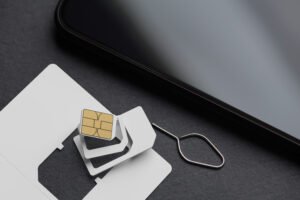
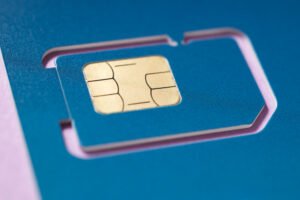
A SIM card, short for Subscriber Identity Module, is a small chip inserted into a mobile phone that connects the device to a wireless network. The SIM card contains unique identification information that allows the mobile network to recognize the device and activate communication services.
When a Chatr SIM card is activated, the phone gains access to the mobile provider’s network. This allows the device to support several important functions.
Voice calls
Text messaging
Mobile internet access
Network authentication
Once the SIM card connects to the network, the phone communicates with nearby cellular towers that provide wireless coverage across the region.
Understanding 5G Mobile Technology
5G stands for the fifth generation of wireless network technology. It represents the newest stage of mobile connectivity and builds upon earlier network generations such as 3G and 4G.
5G networks are designed to support faster speeds and improved data capacity. These networks enable mobile devices to transfer large amounts of data quickly while maintaining stable connections.
Some common benefits of 5G technology include:
Faster data speeds
Improved network efficiency
Better performance for streaming and online applications
Enhanced connectivity for smart devices
As 5G networks expand across Canada, many mobile users are interested in understanding whether their SIM card and mobile plan support this technology.
Network Technology and Mobile Plans
Mobile connectivity depends on three important components: the network infrastructure, the mobile device, and the mobile plan. Each element plays a role in determining the level of connectivity available to the user.
The wireless network provides coverage through cellular towers. The mobile device includes the hardware that communicates with these towers. The mobile plan determines how the network services are delivered to the user.
When all three components support the same network generation, the device connects to the available network technology.
Because different providers offer different network configurations, users often research how their mobile plan interacts with modern network technology.
Mobile Connectivity for Everyday Life
Mobile connectivity plays an essential role in daily life for many residents of Vancouver. Smartphones allow people to communicate, navigate the city, access information, and manage personal responsibilities.
Some common activities that rely on mobile connectivity include:
Messaging and voice calls
Navigation and transportation apps
Online learning platforms
Mobile banking and payments
Streaming media and entertainment
Reliable connectivity helps people stay connected to important services and information throughout the day.
Living in Modern Condominium Buildings
Many residents in Vancouver live in condominium buildings that use modern access control systems. These systems help manage building entry while providing convenient access for residents.
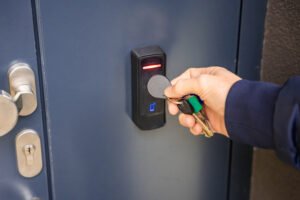
Instead of traditional metal keys, many buildings use electronic access devices known as RFID key fobs. Residents tap these devices against a reader installed near doors or elevators to unlock secured areas.
Because households often include several occupants, residents frequently need additional access devices. As a result, many people search online for services related to a condo key fob copy.
Understanding how these devices work helps residents manage building entry more easily.
How RFID Key Fobs Work
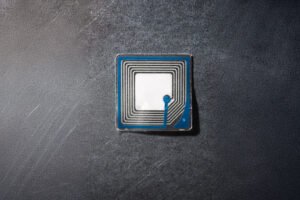
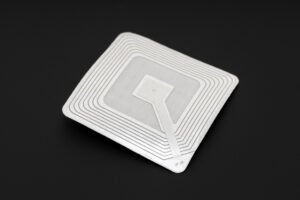
RFID stands for Radio Frequency Identification, a technology used in many electronic access systems. RFID key fobs contain a small electronic chip that stores a unique identification number.
When the key fob is placed near an access reader, the reader sends a signal that activates the chip inside the device. The chip responds by transmitting its identification number.
The building’s access control system receives this number and checks it against its database of authorized credentials. When the identification number matches a registered device, the system unlocks the door or grants access.
Because these electronic devices control entry to buildings, parking areas, and shared amenities, many residents search for a condo key fob copy when additional access devices are required.
How a Condo Key Fob Copy Is Created
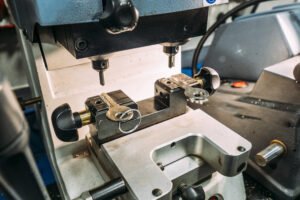
A condo key fob copy involves duplicating the digital identification number stored inside the original key fob. Specialized duplication equipment reads the information stored in the chip and transfers it to another compatible device.
The duplication process typically includes several steps.
First, the original key fob is scanned using an RFID reader. The reader retrieves the identification number stored inside the device.
Next, the duplication system stores this identification number temporarily.
Then the stored data is written onto a blank RFID key fob. This programming process allows the new device to carry the same digital credentials as the original.
Once the process is complete, the new key fob communicates with building access readers using the same identification number as the original device.
The new device then functions as a condo key fob copy within the building’s access system.
Technology Service Locations and Everyday Support
Technology service locations often provide a variety of helpful services that support daily activities. Many residents visit these locations to address mobile connectivity issues or manage other everyday technology needs.
Common services offered by technology service shops include:
Mobile phone repair
SIM card assistance and activation
Mobile accessory sales
Printing and photocopy services
Building access device duplication
Residents living in condominium buildings often visit these locations to request a condo key fob copy or other services that support everyday convenience.
Business Information
Max Mobile and Gifts is the best place for professional phone and iPhone repair services in Vancouver, Canada. The business also offers a wide selection of accessories and gifts for all occasions.
Services available include cell phone repair, fob copy services, key cutting, passport and PR photo services, mobile accessories, photo copy and printing services, watch battery replacement, luggage products, hip hop jewellery, and perfume and cologne.
Conclusion
Mobile connectivity continues to evolve as wireless networks expand across Canada. Newer technologies such as 5G provide faster speeds and improved performance for mobile devices and applications.
Mobile users often explore prepaid options like Chatr SIM cards while evaluating their connectivity needs. At the same time, many residents visit local technology service shops for assistance with mobile devices and everyday services.In condominium buildings that rely on electronic access systems, RFID key fobs are commonly used to manage building entry. When additional access devices are required, many residents search for services that provide a condo key fob copy, ensuring convenient and reliable access to their residential building.